General information, not legal or building advice. Each rule here is labelled with the state or territory it comes from; the official pages behind them are listed at the foot of this page, and your state’s fair trading or consumer affairs body is the place to check your own purchase.
§ 1
The report, section by section
NSW Fair Trading’s buyer guide lists what a pre-purchase report should carry. Laid out as a report page, its list runs from your name to the specialists the inspector may send you to next. The margin flags mark the questions that each have a page of their own.
Pre-purchase inspection reportNSW Fair Trading’s list, in its own words
- 00Before the first line (not on NSW’s list): who prepared the report, and the standard it says it follows.Who may write one
The Australian Standard - 01“your name”
- 02“the address of the property to be inspected”
- 03“reason for the inspection”
- 04“the date of inspection”Cooling-off and the report
- 05“the scope of the inspection”Building and pest conditions
- 06“a list of any area or item that wasn’t inspected, the reasons why it wasn’t inspected and if necessary, a recommendation for further investigation”Read this row twice.
If the report missed something - 07“a summary of the overall condition of the property (considering its age and type) and any major faults found in the property”
- 08“a list of any significant problems that need fixing”
- 09“if necessary, a recommendation that a further inspection or assessment be carried out by a suitably accredited specialist”, such as a pest inspector, the electricity supply authority, the water supply authority, a structural or geotechnical engineer, a surveyor or a solicitorIn the ACT, the seller’s reports
Lead-in, as the NSW page puts it: “The inspection report should also include the following information:”
Two other places add points of their own. In the ACT, a building and compliance inspection report must state the date of the inspection and the date it was prepared in a prominent place. In Queensland, the building regulator suggests being at the house for the inspection, and making sure you understand its scope: what the inspector will and won’t look at.
§ 2
What a report generally leaves out
NSW Fair Trading says a building inspection report “does not deal with every aspect of the property. Its role is to identify any major problems visible at the time of the inspection.” It says the report “will not generally include”:
- “parts of the property that were not or could not be inspected”
- “matters outside the consultant’s expertise”
- “an estimate of repair costs”
- “minor defects”
- “termite detection”.
NSW Fair Trading adds that “a building inspector would not normally check such things as:”
- “footings”
- “concealed damp-proofing”
- “electrical wiring and smoke detectors”
- “plumbing, drainage and gasfitting”
- “air conditioning”
- “swimming pools and pool equipment”
- “watering systems”
- “fireplaces and chimneys”
- “alarm and intercom systems”
- “carpet and lino”
- “appliances such as dishwashers, waste disposal units, ovens, ducted vacuum systems, hot plates and range hoods”
- “paint coatings”
- “hazards”
- “every opening window”
- “television reception.”
- Victoria · repair costs
Consumer Affairs Victoria says the written report will list any faults, whether they can be repaired, and how much the repairs are likely to cost.
- ACT · plumbing and wiring
Access Canberra says a building and compliance report “does not generally include information regarding plumbing or electrical faults”.
- South Australia · what is checked
The SA Government notes that not all inspectors check things such as air conditioners, plumbing or electrical work, and suggests a written quote that sets out what the inspector will check.
- Queensland · the future
Queensland’s building regulator, the QBCC, says “A pre-purchase building inspection is not a warranty against future defects.”
§ 3
Six flagged sections
- Flag 1
Who may write one
Queensland’s licence, and the qualifications other states name instead.
- Flag 2
The Australian Standard
AS 4349.1-2007: its title, its status and where the law names it.
- Flag 3
Building and pest conditions
The contract term that ties a purchase to the report, state by state.
- Flag 4
Cooling-off and the report
Whether a report can still be done after signing, and the states where the law sets no window at all.
- Flag 5
The ACT seller’s reports
Where the seller must supply the building and pest reports, and what those reports must show.
- Flag 6
If the report missed something
Complaint steps in Queensland, first steps in NSW, and the ACT’s rule.
§ 4
A photograph is not a finding
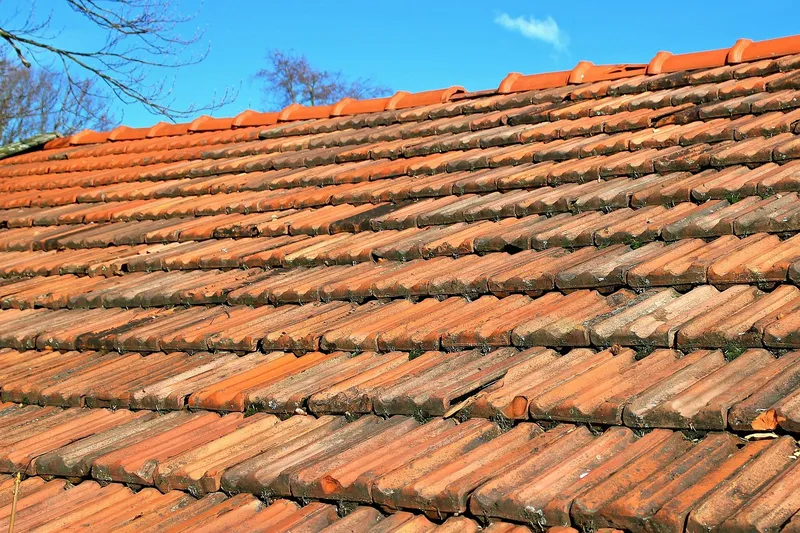
The Queensland Building and Construction Commission’s own list of what a pre-purchase inspection could pick up begins with a faulty roof and a leaking ceiling, and runs on to weak or cracked walls, damaged foundations, mould, missing waterproofing and drainage issues. Where one part of a house is the worry, the QBCC suggests a more detailed report from the right expert, giving a plumber or an engineer as examples.
A report reads best with the person who wrote it. Queensland’s building regulator puts it simply: be at the house for the inspection, and “ask the inspector anything you want to know about the house before you buy.”